a late summer yin sequence
Today I’m sharing a yin sequence that works with the Spleen and Stomach energies - the organs of digestion and assimilation, which help us to process and absorb not only the nutrients from the foods we eat, but also the experiences we’ve had in the expansive months of summer.

Yin Practices for Winter
Of the five seasons in the TCM view of the year, winter is the most yin. Associated with the element of Water, winter is quiet, slow, and invites us inwards. And yet, the way life is now, winter seems to place more pressure on us than ever, between the hustle bustle of the festive season, to the rush of activity in January to ‘get going’ for the year, kickstart positive habits, and make things happen in a schedule that never seems to slow down.

Fave yin poses for Autumn
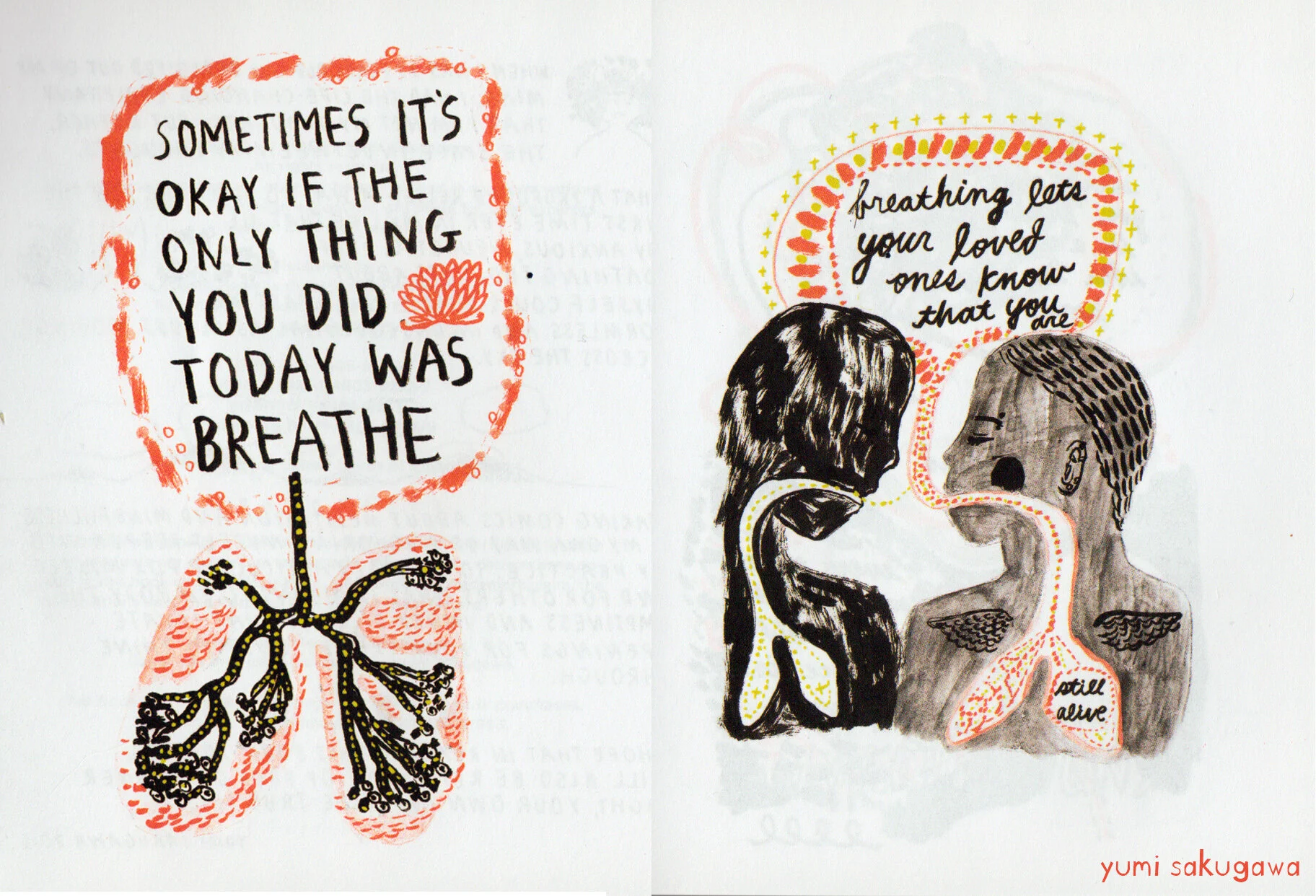
In the TCM system, autumn is associated with the metal element, which represents qualities of clarity and value (think precious metals - what is gold to you) but also knowing when to release. It’s a melancholy time but also one for refinement. In this season we work with the Large Intestine (yang) which is all about elimination and letting things go, and also the Lungs (yin) which are associated with temporality. After all the breath is constantly coming and going. But also, healthy lungs allow for a single moment in time to become complete. Think taking a full breath, feeling into the fullness of our lungs - this is being totally present. We breathe in - process, and breathe out, let go.

What is Yin Yoga?
Yin is a slow and contemplative style of yoga, I call it a “slow-down party”, where we arrange the body in certain positions and then let go of effort and let gravity act on the body to create opening and awareness.
The “three tattvas” (elements) of yin yoga are Edge, Stillness, and Time. We arrange the body in a way to find an appropriate edge, which will be sustainable yet challenging, then we settle into stillness, and spend time in the posture to watch how the tissues adapt to the shape